Searching for the best free expense tracker app usually means you want three things: fast logging, a clear picture of spending, and data you still own next year. This guide breaks down what actually matters on Android — and how a sheet-backed money book like Kharch Log fits next to bank-sync budget apps.
What “best” should mean for a free expense tracker
App-store ratings help, but features decide whether you stick with it. Prioritize:
- Speed — can you log a purchase in under 20 seconds?
- Categories & payment mode — so monthly reports mean something
- Income + expenses — a true income and expense tracker, not debit-only
- Export / ownership — CSV, Excel, or Google Sheets you control
- Automation that fits India — SMS capture for UPI/card alerts (permission required)
Free expense tracker Android checklist
- Manual entry that doesn’t feel heavy — amount, category, note, done.
- Voice or shortcuts — useful when you’re commuting or shopping.
- SMS auto-capture — reads UPI/card alerts; SMS permission is required for this feature.
- Review before save — automation should not invent phantom spends.
- Cloud you understand — Drive/Sheets vs a closed vendor vault.
Bank-sync apps vs SMS + Sheets
Tools in the Monarch / Goodbudget style shine when every account syncs into one dashboard. The tradeoff is lock-in and subscriptions. An SMS expense tracker plus Google Sheets expense tracker workflow is different: you capture from messages you already get, then keep the ledger in Drive. Currency is just a number — any currency works for logging.
Where Kharch Log fits
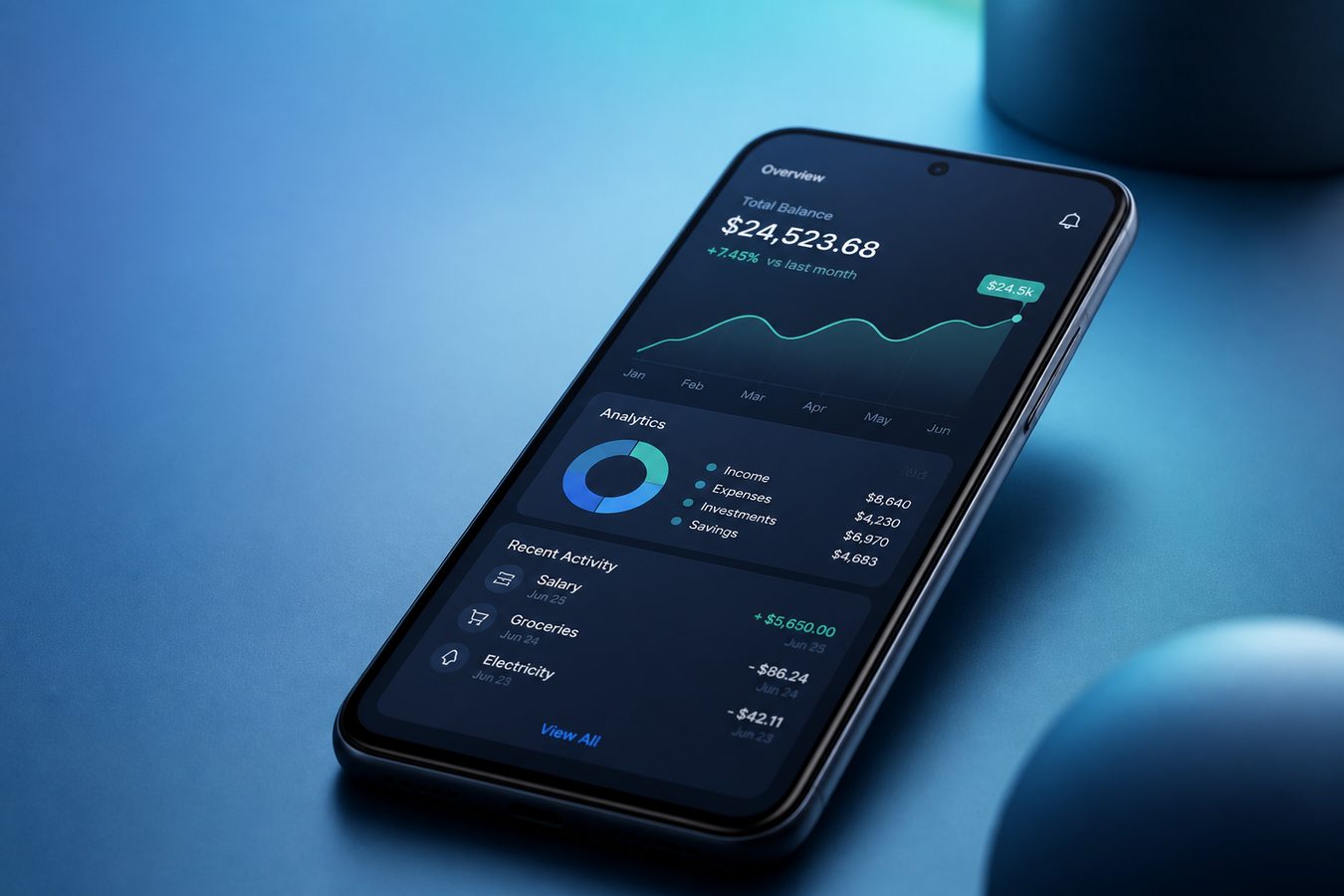
Kharch Log is built as an Android expense tracker with manual + voice entry, bank/UPI SMS capture (SMS permission required), a needs-review inbox, and sync to your Google Sheet — not a Kharch Log server ledger. See all features and Sheets sync.
Related reading: Sheets vs closed budget apps · SMS auto-tracking